Building a home from the ground up is an exciting journey, filled with major milestones, including laying the foundation, framing, roofing, and everything in between. However, one of the most anticipated and personal stages of the new home construction process is when the structure’s interior finally feels like a home.
Once the builder finishes the framing and rough-ins phase and the structure passes the municipal inspections, the space will come to life through the home interior finishes process. This process helps you make designer-informed decisions regarding your future home through various key phases that shape the interior.
This guide explains what to expect during the home interior finishes stage of construction, a key milestone in the home building journey. From hanging drywall to laying the last plank of flooring, every step adds character — this is where your vision truly starts to take shape.
Types of Interior Home Finishes
Interior finishes are the design elements that bring personality and polish to your home. This section breaks down the most common types of interior finishes and how each one defines your home’s overall style and comfort, including flooring, wall treatments, cabinetry, fixtures, and trim.
Drywall
After installing the framing, plumbing, electrical, and HVAC systems, drywall creates the walls and ceilings that define each room. Large panels are carefully cut, fitted, and secured to the wall studs during this step. Then, the seams are finished with a joint compound to create smooth, seamless surfaces. Once dry, the walls are sanded and prepped for primer.
The drywall stage marks a significant visual shift in the construction process. What was once open framing is now a defined, enclosed space coming to life. It also sets the foundation for the next steps, including painting, cabinetry, and flooring to come together cleanly and professionally.
Painting
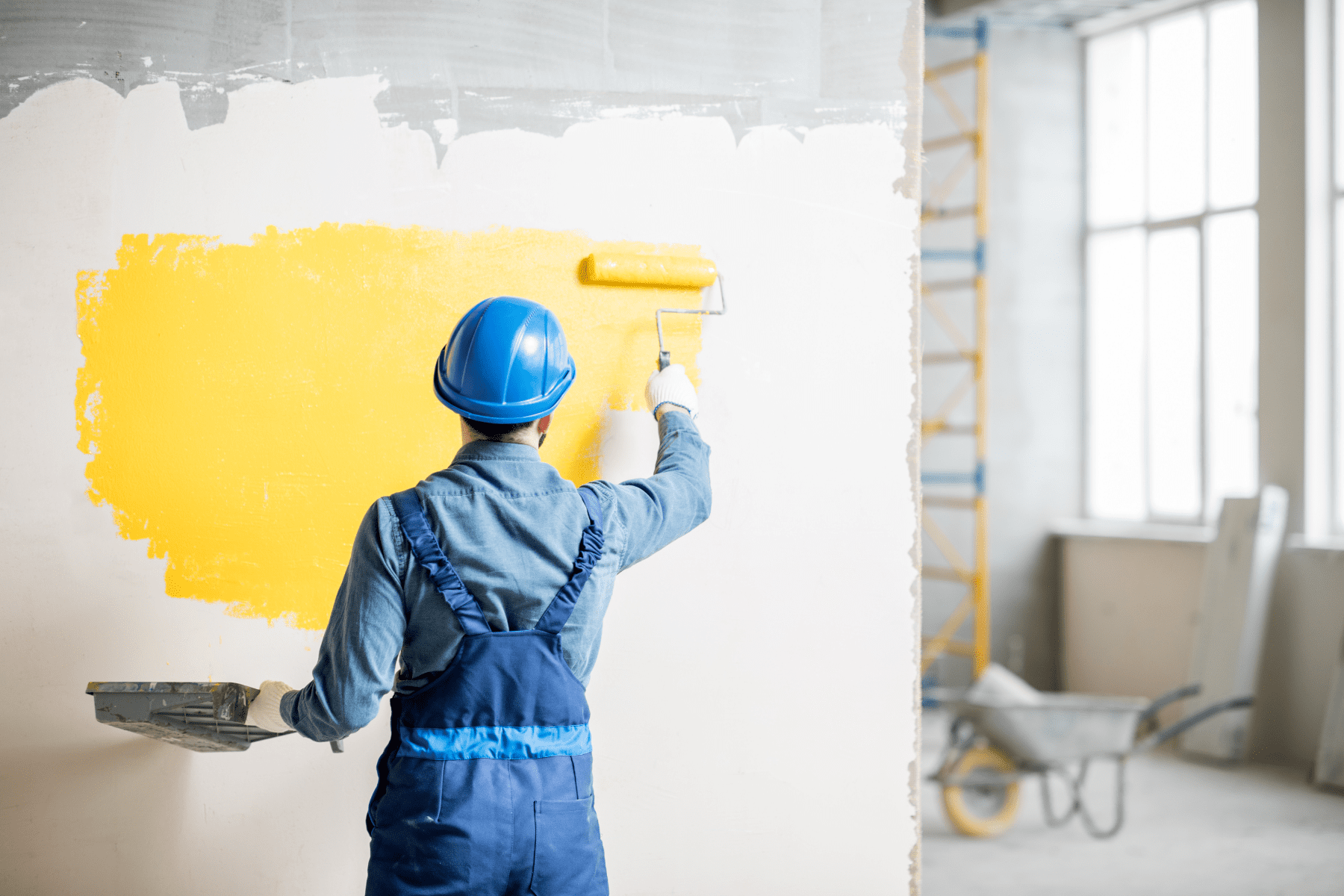
Once the walls are up, the next step in the home interior finishes process is an exciting one for our creative innovators. The process begins with a coat of primer to seal the drywall and ensure even coverage. Once primed, professional painters will start with a base coat on the walls and ceilings, typically followed by one or two more coats.
Then, it’s time to get creative with your home’s colors and design. Whether you choose a palette of soft neutrals, bold accents, or a custom combination that reflects your personality, the right paint choices can highlight architectural details and complement flooring, cabinetry, and trim work.
At this stage, homeowners often begin to feel the emotional impact of their design choices. Each room takes on a distinct identity, setting the tone for how the space will feel and function once it’s complete.
Cabinetry
Regarding cabinetry, this process also offers a creative outlet for those seeking a design that defines the aesthetic of your kitchen, bathroom, and built-in closet spaces. Base and wall cabinets are carefully selected, measured, and installed during this stage to ensure long-term stability. You’ll also start to see customized touches come to life, like soft-close drawers, pull-out shelves, built-in organizers, or decorative glass fronts.
Whether you install stock or custom cabinets, the cabinet choices set the tone for the functionality and design of your home’s interior finishes. Consider thoughtful details like crown molding, under-cabinet lighting, and high-quality hardware to complete the look and elevate the everyday experience.
Flooring
The last step in the home interior finishes process is installing the flooring. The planks are precisely measured, leveled, and laid during flooring installation to ensure a seamless, long-lasting result. Meticulous preparation is critical to prevent uneven surfaces, squeaking, or premature wear.
Depending on the type of flooring selected, installers may use methods like nailing, gluing, or floating the material over the subfloor. Precision is key as each plank, tile, or sheet is laid out in a pattern that maintains clean lines and a professional finish throughout the space. Transitions between rooms are carefully managed to ensure a seamless flow, and cuts are made around features like doorways, cabinetry, and vents for a tailored fit.
Once installation is complete, finishing touches like baseboards, trim, and thresholds are added to conceal edges and create a polished look. The result is a smooth, durable surface that supports everyday living and enhances the overall feel of your home.
Interior Finishes Are In — What’s Next?
Now that the exterior and interior of your home have been completed, you’re one step closer to closing. Interested in learning more about the build process at Brock Built? Visit our page to see how we bring your vision to life step by step.
FAQs:
What are considered interior finishes?
When building a new home from the ground up, interior finishes refer to the final materials and design elements applied inside a home once the structural and mechanical systems are complete. These typically include drywall, paint, trim, interior doors, cabinetry, countertops, flooring, lighting fixtures, and other surface treatments that complete the aesthetic and functionality of the living space.
What is one of the most common wall finishes in a home?
One of the most common wall finishes in residential homes is painted drywall. It’s affordable, versatile, and allows for easy updates in color and texture. Other popular options include wallpaper, paneling, and textured plaster, but drywall with paint remains the standard in most homes today.
How do you choose interior finishes?
When choosing interior finishes, consider balancing style, function, and budget. Start by considering your overall design aesthetic (modern, traditional, rustic, etc.) and selecting finishes that align with that vision. Prioritize durability in high-traffic areas and coordinate colors and textures for a cohesive look. You can also create a mood board or work with a designer to ensure your selections complement each other and suit your lifestyle.