Buying a home is about more than square footage or price. It is about finding the right location, choosing the right home, moving through the buying process with confidence, and creating a space you will love for years to come. This home buying guide walks you through all four, from your first neighborhood question to your first dinner party.
Your Home Buying Journey at a Glance
A successful home purchase follows one story: Where should I live? → What should I buy? → How do I buy it? → How do I love living there? Answer them in that order and every later decision gets easier.
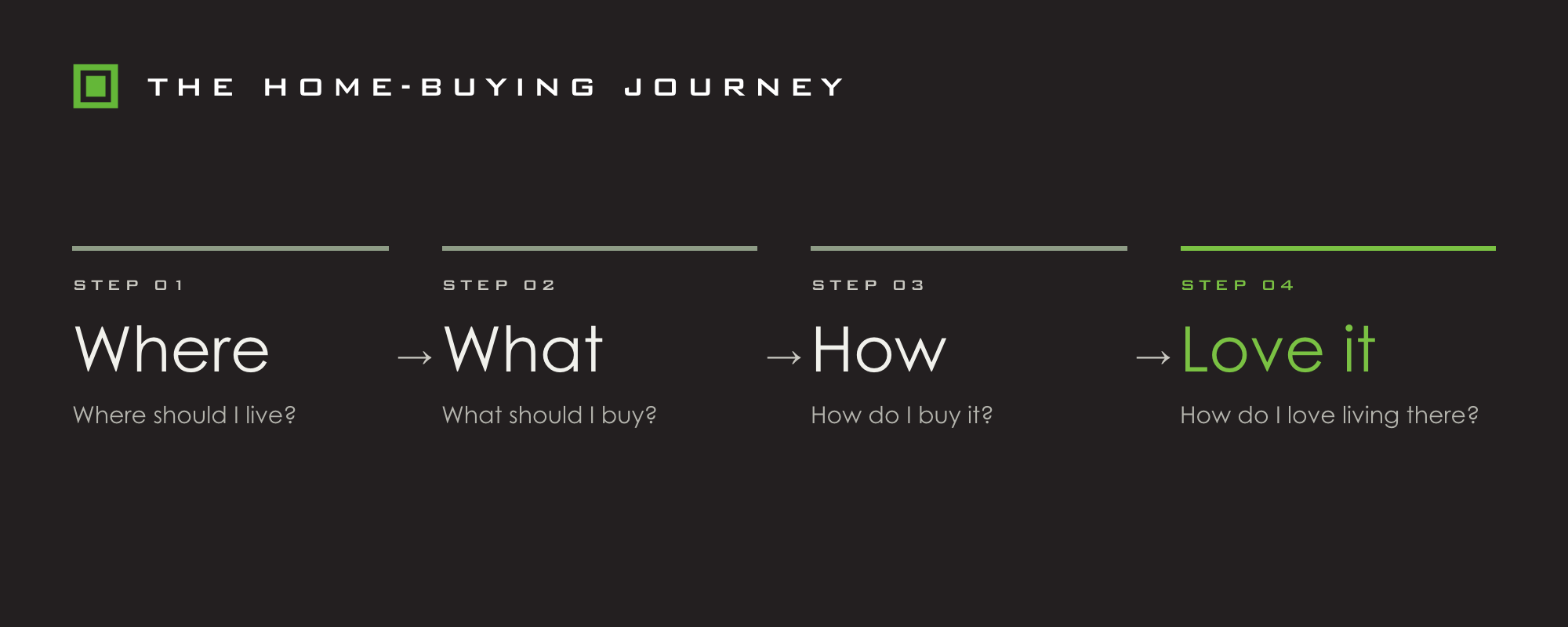
- Start with lifestyle. Location shapes your daily life more than any single feature, so choose the neighborhood before the floor plan.
- Separate needs from wants. A simple must-have and nice-to-have list keeps your search focused and your budget honest.
- Evaluate the community, not just the house. Schools, amenities, commute, and resale potential travel with the address.
- Know the steps. Research, get pre-approved, tour, select, contract, close, and move in — in that order.
- New construction gives you room to personalize. Choosing finishes as your home is built is one of the biggest advantages of building with Brock Built.
Most home searches start in the middle — scrolling listings before deciding where life actually fits best. Working the journey in order saves you from falling for a beautiful home in the wrong place, or the right place with the wrong home.
For 40 years, Brock Built has helped Atlanta families find both. We build in carefully chosen neighborhoods across Georgia, Florida, and Alabama, and the guidance below reflects what we have learned about buying well and living well. Let’s start where every good decision does: with where you want to live.
Where Should You Live? Suburbs vs. City Living in Atlanta
Deciding where to live is the most significant choice in your search, and surveys consistently rank location as the top criterion buyers weigh — ahead of both square footage and price. The home you can renovate; the location you cannot change. So before you compare floor plans, get clear on the life you want around the front door.
Why Location Matters More Than the House
A home near the shops, restaurants, trails, and schools you actually use adds convenience to every ordinary day. A great house in an inconvenient spot does the opposite. Whether you are a social butterfly or a devoted homebody, the neighborhood sets the rhythm of your life, so weigh it first and hardest.
Questions to Ask Yourself
- Do I want walkability, or is a quiet street more my speed?
- How much commute time am I willing to trade for space?
- Which amenities matter most — parks and trails, dining and nightlife, or pools and clubhouses?
- Do I value the energy of the city or the calm of the suburbs?
- How long do I plan to stay, and how might my needs change while I’m here?
City vs. Suburban Living: A Quick Comparison
Both lifestyles thrive in metro Atlanta. Use this comparison to see which trade-offs feel right for you.
| FACTOR | CITY LIVING | SUBURBAN LIVING |
|---|---|---|
| Walkability | High — shops and dining within a short walk | Moderate — most trips by car |
| Yard space | Smaller lots, rooftop terraces | Larger lots and yards |
| Commute | Shorter to in-town jobs | Longer, but often calmer |
| Home size | More compact footprints | More space for the money |
| Community amenities | Varies by building and block | Often HOA-based (pool, trails, clubhouse) |
| Pace | Fast, vibrant, event-filled | Quieter, slower, more private |
If you’re weighing specific areas, our guide to the best places to live in Atlanta breaks down neighborhoods by lifestyle, and Downtown vs. Midtown Atlanta compares two of the city’s most popular in-town options.
Match the Neighborhood to Your Stage of Life
The right location often comes down to where you are in life. A few patterns we see with Brock Built buyers:
- Young professionals tend to prioritize walkable, vibrant neighborhoods close to work and nightlife — think in-town communities like The Gathering near downtown. For this stage, some of the best places for young professionals to live pair a short commute with plenty to do after hours.
- Growing families usually lead with school access, parks, and safe streets with room to grow. The best neighborhoods for growing families balance top-rated schools with community amenities and quick routes to daily errands.
- Empty nesters and 55+ buyers often want low-maintenance, amenity-rich living — the kind you’ll find in an active adult community like The Reserve at Bells Ferry near Downtown Woodstock.
What Should You Buy? Build Your Homebuying Criteria
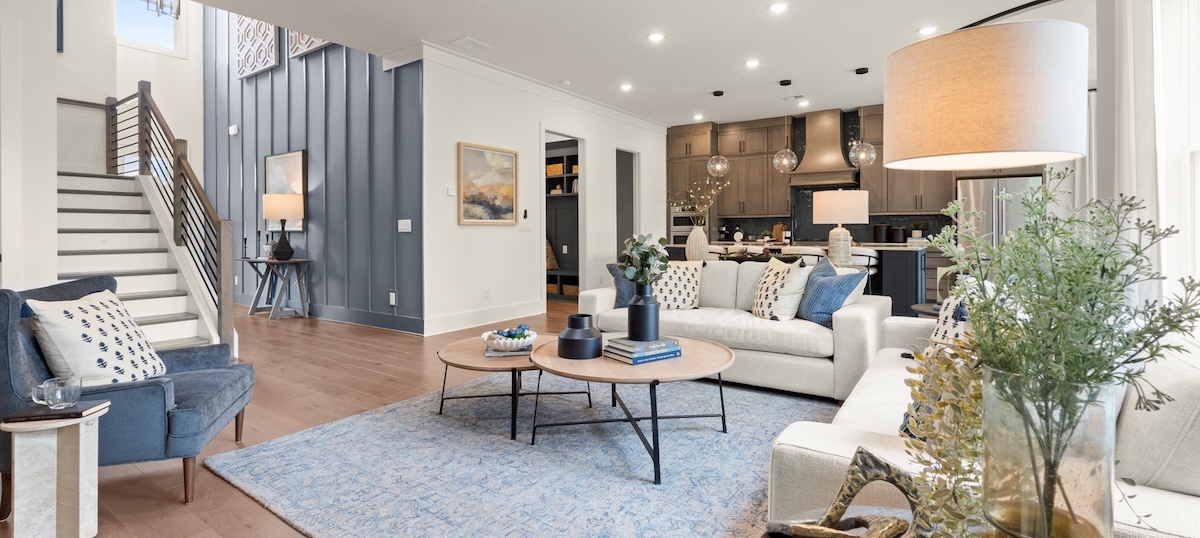
Once you know where you want to live, decide what you actually need in a home. The buyers who search with the least stress are the ones who separate must-haves from nice-to-haves before they tour a single property.
Separate Your Needs From Your Wants
Needs are the non-negotiables your daily life depends on. Wants are the features that would be wonderful but wouldn’t break the deal. Sorting them keeps your search focused and your budget realistic.
| MUST-HAVES (NEEDS) | NICE-TO-HAVES (WANTS) |
|---|---|
| Bedrooms and bathrooms for your household | Bonus room or flex space |
| A workable commute | Covered porch or outdoor living |
| School access (if it applies to you) | Walkability to shops and dining |
| A budget you’re comfortable with | A dedicated home office |
| Enough storage and garage space | Upgraded finishes and design options |
Put Your Checklist to Work
A written checklist is the simplest way to compare homes without losing track of the details — especially when you’re touring several in a weekend. Our downloadable house hunting checklist gives you a ready-made scorecard for every showing, so you can rank properties on the factors that matter to you and submit an offer with confidence. (Ask us to send it, or grab it from the CTA below.)
How Do You Choose a Neighborhood? Evaluate Communities Like a Pro
A home comes with everything around it, so evaluate the community with the same care you give the house. Strong neighborhoods protect your quality of life today and your resale value tomorrow.
Neighborhood Factors to Weigh
- Schools. Even if you don’t have children, top-rated districts tend to hold and raise property values.
- Everyday errands. Grocery stores, restaurants, and healthcare within an easy drive make daily life smoother.
- Parks and recreation. Trails, playgrounds, and green space support both your health and your weekends.
- Commute routes. Test the drive at the times you’d actually make it, not just midday.
Community Amenities That Add Value
Private amenities put recreation and connection steps from your door. Look for the ones you’ll genuinely use:
- Pools, tennis, and pickleball for staying active and social close to home.
- A clubhouse for hosting friends and neighborhood events.
- Walking trails and recreation areas that make the outdoors part of your routine.
- Included maintenance or an HOA, which can be a convenience — just confirm the dues, rules, and what they cover.
A note on accuracy: amenities vary by community, so verify what a neighborhood actually offers before you fall in love with a brochure. When you tour a Brock Built community, we’ll tell you exactly which features are included.
Think About Future Resale
Even in your forever home, resale potential matters. Revitalizing neighborhoods with new development, improving schools, and expanding amenities tend to appreciate — one reason we build in carefully selected, growing areas across metro Atlanta and beyond.
What to Look For in New Home Construction
With your location and criteria set, it’s time to evaluate individual homes. Break each one into three views — floor plan, interior, and exterior — so nothing important slips past.
Floor Plan Evaluation
- Enough bedrooms and bathrooms for now and the near future
- Open-concept living, if entertaining and flow matter to you — see how to make the most of an open-concept space
- The right number of stories for your lifestyle (single-level living is popular in 55+ communities)
- Garage and storage space, which is difficult and costly to add later
New construction is where this gets easier: building lets you choose a floor plan and adjust interior details to fit how you live, rather than settling for someone else’s choices.
Interior Evaluation
- Condition. In resale homes, watch for water damage, settling, and wear; in new construction, you start fresh.
- Layout and natural light. Walk the flow between rooms and note where light lands through the day.
- Fixtures and finishes. Note what you’d keep and what you’d replace — a real cost in an existing home, a simple selection in a new one.
Exterior Evaluation
- Yard and outdoor living. Match the lot size and outdoor space to how much you’ll actually use and maintain.
- Landscaping. Confirm who maintains it — you or the HOA.
- Roofing, windows, and siding. On resale homes, these are expensive to replace; on new homes they’re built to current standards.
- Foundation. The home’s foundation is where quality construction begins — look for a builder obsessive about the structure you can’t see.
Still deciding between a ready-built and a to-be-built home? Our comparison of a spec house vs. a pre-sale home can help you choose.
How Do You Buy a Home? The Steps to Buying a Home
The buying process is more manageable when you know the order of operations. Here are the seven steps most buyers follow from first search to move-in day.
- Research the market. Get familiar with prices, communities, and new homes in Atlanta so you know what your budget buys where.
- Choose your location. Apply the lifestyle and neighborhood work above to narrow your search area.
- Get pre-approved. A lender pre-approval tells you your real budget and shows sellers you’re serious.
- Tour homes. Use your checklist to compare properties on the factors that matter to you.
- Select your home. Choose the home — and, in new construction, your floor plan and finishes.
- Contract and closing. Move from offer to a signed contract, then through the new-construction closing process.
- Move in. Get the keys and start making the house your own.
New to all of this? Our first-time home buyer questions guide answers the ones we hear most.
New Construction vs. Existing Homes: Which Is Right for You?
One of the biggest decisions in your search is whether to buy new or existing. Both can be right; here’s how they compare on the factors buyers ask about most.
| FACTOR | NEW CONSTRUCTION | EXISTING HOME |
|---|---|---|
| Customization | Choose finishes, and sometimes layout, as it’s built | Renovate after purchase, often at higher cost |
| Warranty | Comes with builder and systems warranties | Typically sold as-is |
| Maintenance | New systems and materials mean fewer near-term repairs | Older components may need attention sooner |
| Energy efficiency | Built to current energy-efficiency standards | Varies with age and updates |
| Move-in readiness | Move-in ready or built to your timeline | Availability depends on the market |
For buyers who want a home tailored to them without a multi-year custom build, new construction is a natural fit — it’s the middle path that Brock Built’s boutique, master-builder approach is designed around.
How Do You Love Where You Live? Turn Your House Into a Home

Buying the home is the milestone; loving it is the payoff. Personalization, thoughtful design, and real community connection are what turn a new address into home.
Personalization Starts With Location
The neighborhood you chose in step one is the foundation of a happy home — the coffee shop you walk to, the park your kids grow up in, the neighbors who become friends. Everything else builds on it.
Design for Your Lifestyle
If you’re building with us, your personalization starts before move-in at the Brock Built Design Center, where you’ll choose flooring, lighting, cabinetry, countertops, and finishes. Laying that foundation of design selections as the home is built means fewer renovations later and a home that feels like yours from day one. After move-in, layer in your own color palette, furniture that fits your life, and decor that reflects your personality.
Organize and Settle In
Once the moving boxes clear, set up your space to work the way you live — start with the kitchen and bathrooms, use built-in storage well, and keep everyday items within easy reach. A home that’s easy to live in is a home you’ll love longer.
Make Connections in Your Community
A house becomes a home when you feel part of the neighborhood. Host the housewarming, meet the neighbors, use the trails and the clubhouse. The communities we build are chosen for exactly this — places designed to be lived in together, not just lived in.
Home Buying Guide: Frequently Asked Questions
What is the first step in buying a new construction home?
Start with location. Decide where you want to live — city or suburbs, which neighborhood, how close to work and schools — before you compare homes. Location shapes daily life more than any single feature and, unlike the home itself, it can’t be changed later.
What should I look for when buying new home construction?
Evaluate the floor plan, interior, and exterior, and pay close attention to the quality you can’t see — framing, structural engineering, and moisture management. New construction also lets you choose finishes and, in many cases, adjust the layout as the home is built.
How many homes do buyers typically tour before choosing one?
On average, buyers view around eight homes before purchasing, according to the National Association of Realtors. A written checklist makes it far easier to compare that many homes without losing track of the details.
How much should I save before buying a home?
A common guideline is to have roughly 25% of the purchase price saved to cover the major up-front costs, which typically include a down payment (about 3–20%), closing costs (about 2–5%), and a home inspection (around $500). Your lender can confirm what applies to your situation.
Is new construction better than an existing home?
It depends on your priorities. New construction offers customization, warranties, current energy-efficiency standards, and move-in readiness; existing homes may offer established neighborhoods and, sometimes, lower purchase prices. Weigh the trade-offs in the comparison above.
Do new construction homes come with a warranty?
Yes. New homes typically include builder and systems warranties that an as-is resale home usually doesn’t. See our warranty information for details on what Brock Built covers.
How do I choose the right builder?
Look for a track record, quality construction, and clear communication. Brock Built is a family-run builder with 40 years in the Atlanta market, and on-time closings are a recurring strength our homeowners point to.
Start Your Home Buying Journey With Brock Built
Wherever you are in the journey — still choosing a neighborhood or ready to pick finishes — Brock Built is here to help. We’ve built quality, community-first homes across Georgia, Florida, and Alabama for 40 years, and we’d love to help you find yours.
Get the free Brock Built House Hunting Checklist to score every home you tour.